
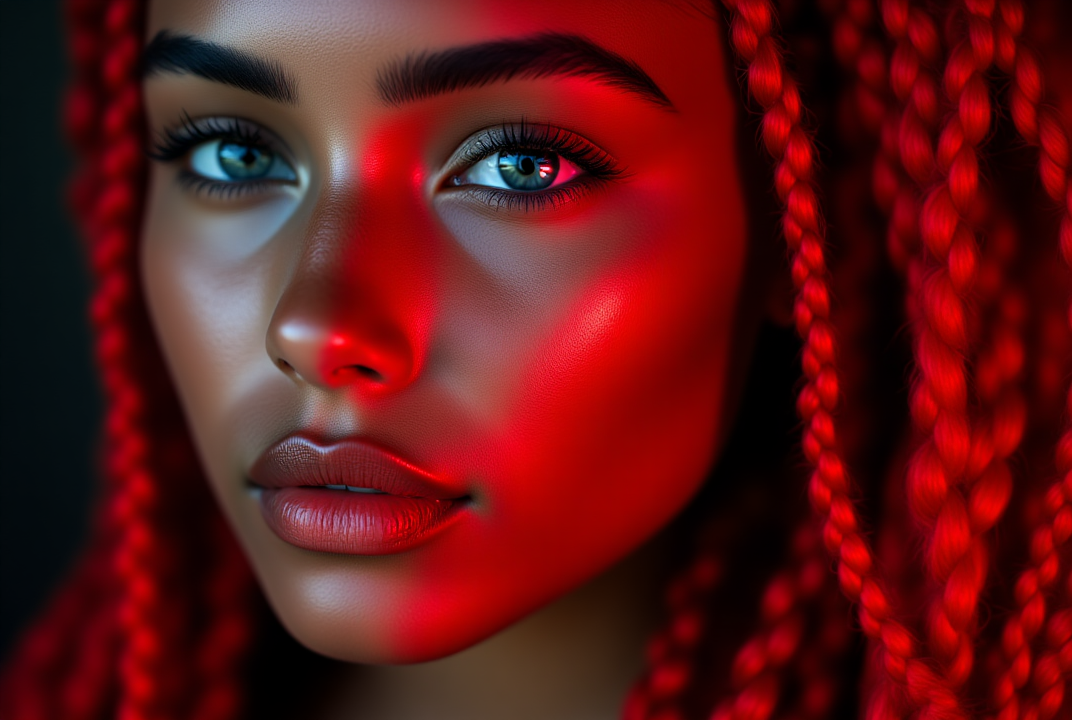
Understanding Textured Skin: Causes, Care, and Everyday Wellness Approaches
Textured skin is a common concern that can appear at any age and across all skin types. Whether you notice small bumps, dryness, uneven areas, or the subtle imprint of past breakouts, understanding what contributes to texture is the first step toward creating a smoother-looking complexion. This article explores what textured skin is, what typically influences it, and how a thoughtful, consistent skincare approach — supported by modern at-home wellness tools — can help refine the appearance of your skin over time.
What Is Textured Skin?
Textured skin refers to an uneven surface that may look rough, bumpy, or irregular. It can show up as enlarged pores, areas of dryness, fine lines, flaky patches, or surface irregularities left behind after breakouts.
A variety of factors can influence texture, including:
-
genetics
-
environmental stressors
-
buildup of dead skin cells
-
changes in hydration levels
-
natural age-related shifts in the skin’s appearance
A balanced routine that includes exfoliation, hydration, and supportive skincare habits can help refine how the skin looks and feels.
What Are the Main Contributors to Rough or Uneven Skin Texture?
Acne and Post-Breakout Marks
Breakouts can leave behind uneven areas on the skin’s surface, even long after the blemish itself has faded.
Environmental Pollution
Daily exposure to pollutants or debris can accumulate on the skin and contribute to a dull or uneven texture if not removed regularly.
Aging
Skin naturally changes over time, which can influence smoothness and visible texture.
Dehydration
Under-hydrated skin can appear flaky, rough, or tight, making texture more noticeable.
Irregular Exfoliation
Without routine exfoliation, dead skin cells can build up on the surface, creating a dull, uneven appearance.
How To Improve the Look of Textured Skin: Step-by-Step
1. Exfoliation
Regular exfoliation helps sweep away dead skin cells and reveal a fresher, smoother-looking surface.
Popular options include:
-
AHAs (like glycolic or lactic acid)
-
BHAs (like salicylic acid)
Most people exfoliate 1–3 times per week, depending on sensitivity and skin type. Consistency is key to maintaining a refined appearance.
2. Hydration and Moisturization
Well-hydrated skin often looks smoother and more supple. Consider:
-
Hyaluronic acid serums to draw moisture in
-
Moisturizers to seal hydration
-
Gentle hydrating toners for added softness
Supporting the skin’s moisture barrier helps keep texture from appearing more pronounced.
3. Light-Based Wellness Tools
Light-based wellness devices, including red-light tools designed for personal, non-medical use, are popular additions to at-home routines.
Many people enjoy using red light as part of a consistent skincare ritual because:
-
the warm light can make routines feel soothing
-
it pairs well with evening self-care habits
-
users often enjoy the appearance of radiance or revitalization over time
Wellness-grade red light devices are not intended to diagnose, treat, or change medical skin conditions, but many incorporate them as a relaxing step in a broader skincare regimen.
4. Nutrient-Rich Diet
Diet plays a meaningful role in how the skin looks. Foods often associated with supporting a vibrant complexion include:
-
fruits rich in vitamin C
-
leafy greens
-
omega-3–containing foods like salmon or walnuts
-
antioxidant-rich berries
-
nuts and seeds
A balanced diet supports the body overall, which can reflect in the appearance of the skin.
5. Consistent Skincare Routine
Texture concerns generally respond best to consistency. A balanced routine may include:
-
daily cleansing
-
regular (but gentle) exfoliation
-
ample hydration
-
sunscreen during daytime hours
-
targeted products based on personal preference
Adjustments over time help tailor the experience to your unique skin.
Does Red Light Therapy Support Textured Skin?
Red light therapy is widely used in general wellness routines. Many people find that incorporating red light into their skincare habits leaves their skin looking refreshed or more radiant, and it can complement other routine steps like moisturizing, exfoliating, or using serums.
Wellness-grade red-light tools are designed for personal care and relaxation, and are not intended to treat skin conditions. However, users often enjoy the appearance of:
-
a more even glow
-
improved suppleness
-
a smoother look in their overall complexion
These experiences vary, and regular use is typically what people find most supportive.
How Long Does It Take to Notice Changes?
Many people report that their skin looks more refreshed or luminous within several weeks of consistent use of a wellness light device. Individual experiences vary, and changes are gradual.
Using light as part of a steady routine — a few times per week — is generally where people find the most enjoyable results.
How Often Should Red Light Be Used for Textured Skin in a Wellness Routine?
Most at-home wellness devices recommend 2–3 sessions per week, depending on the model. Following the manufacturer’s instructions ensures appropriate distance, timing, and use. Consistency tends to be the most influential factor for those looking to enhance the overall appearance of their skin.
Tips for Using Red Light in a Skincare Routine
Consistency Matters
Use your device on a regular schedule for a more noticeable cosmetic effect.
Start With Clean Skin
This helps the light reach the surface evenly.
Follow Device Guidelines
Distance, timing, and session duration all matter when it comes to safe, enjoyable use.
Pair With a Balanced Skincare Routine
Red light can complement exfoliation, hydration, and daily sun protection habits.
Observe Your Skin’s Response
Adjust your routine based on comfort and personal preference.
Conclusion
Achieving a smoother-looking complexion comes down to a thoughtful and consistent routine. By exfoliating regularly, maintaining hydration, exploring light-based wellness tools, and supporting the skin through nutrition and daily care, many people notice meaningful improvements in how their skin looks and feels.
With patience and a personalized approach, textured skin can appear softer, more even, and more radiant — reflecting a routine that supports your skin’s natural beauty.
Final Thoughts
If you're exploring ways to enhance your at-home skincare ritual, EMR-TEK offers a range of light-based wellness devices designed for personal use. Whether you're interested in portable tools or full-size panels, their products can fit seamlessly into your routine. Pair them with EMR-TEK’s blue-light-filtering glasses to support visual comfort throughout your day.
Begin experimenting with red light wellness practices and enjoy creating a skincare routine that feels both calming and uplifting.
Sources
https://www.vogue.in/beauty/content/8-products-that-will-help-even-out-textured-skin
https://www.cedars-sinai.org/blog/collagen-supplements.html
https://www.wildfoods.co/blogs/content/how-often-red-light-therapy
Disclaimer
EMR-TEK’s red infrared light therapy devices, blue light blocking glasses, and other products are intended solely for personal wellness and fitness use. They are not designed to diagnose, treat, cure, or prevent any medical condition and should not be considered medical devices. No therapeutic claims are made. Our products align with the FDA’s “General Wellness: Policy on Low Risk Devices.” EMR-TEK products are for personal use only and not intended for commercial or medical application.
Share:
Black Light vs UV Light: What’s The Difference?
What Is UVB Light: UVB Light 101