
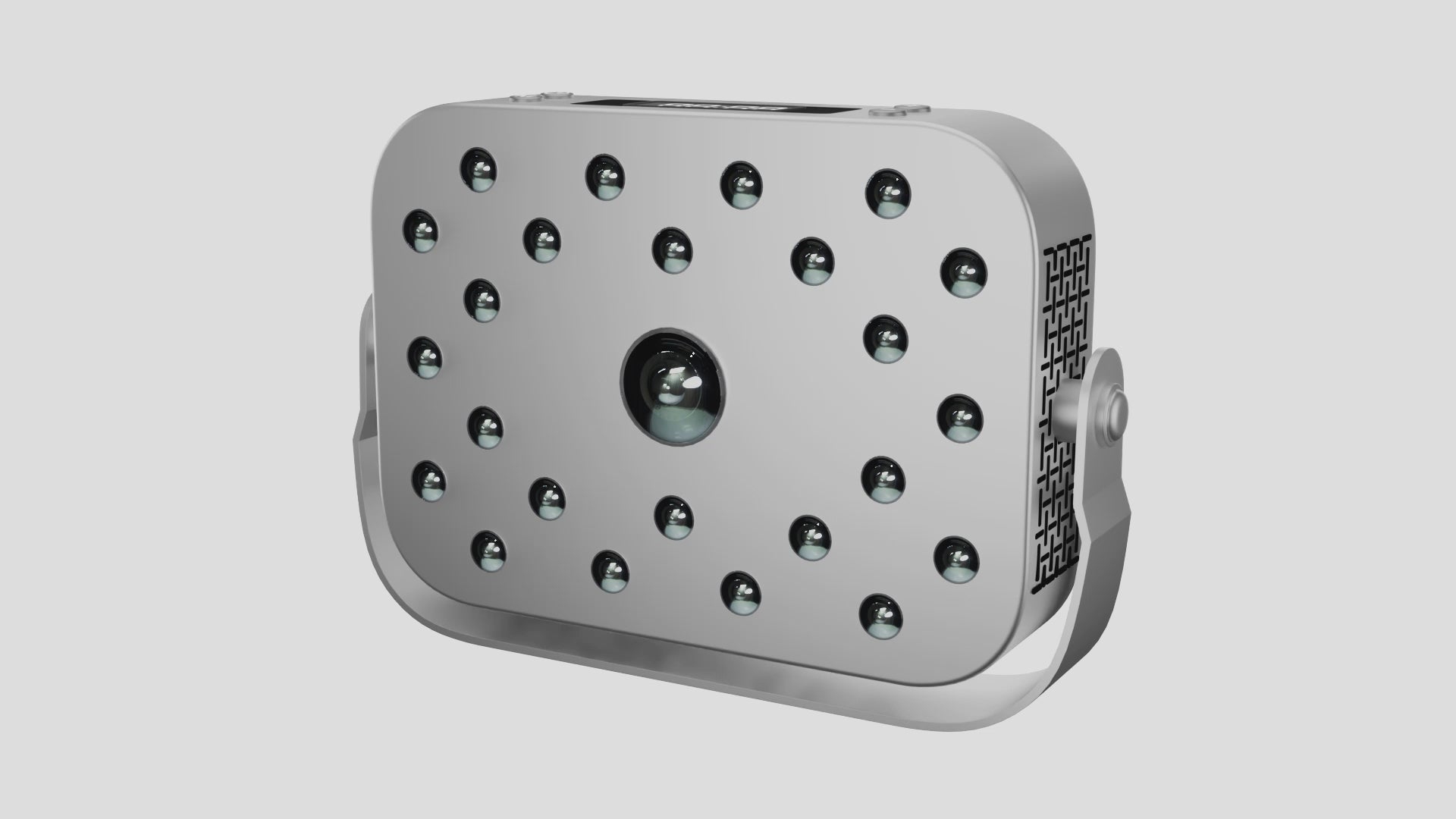
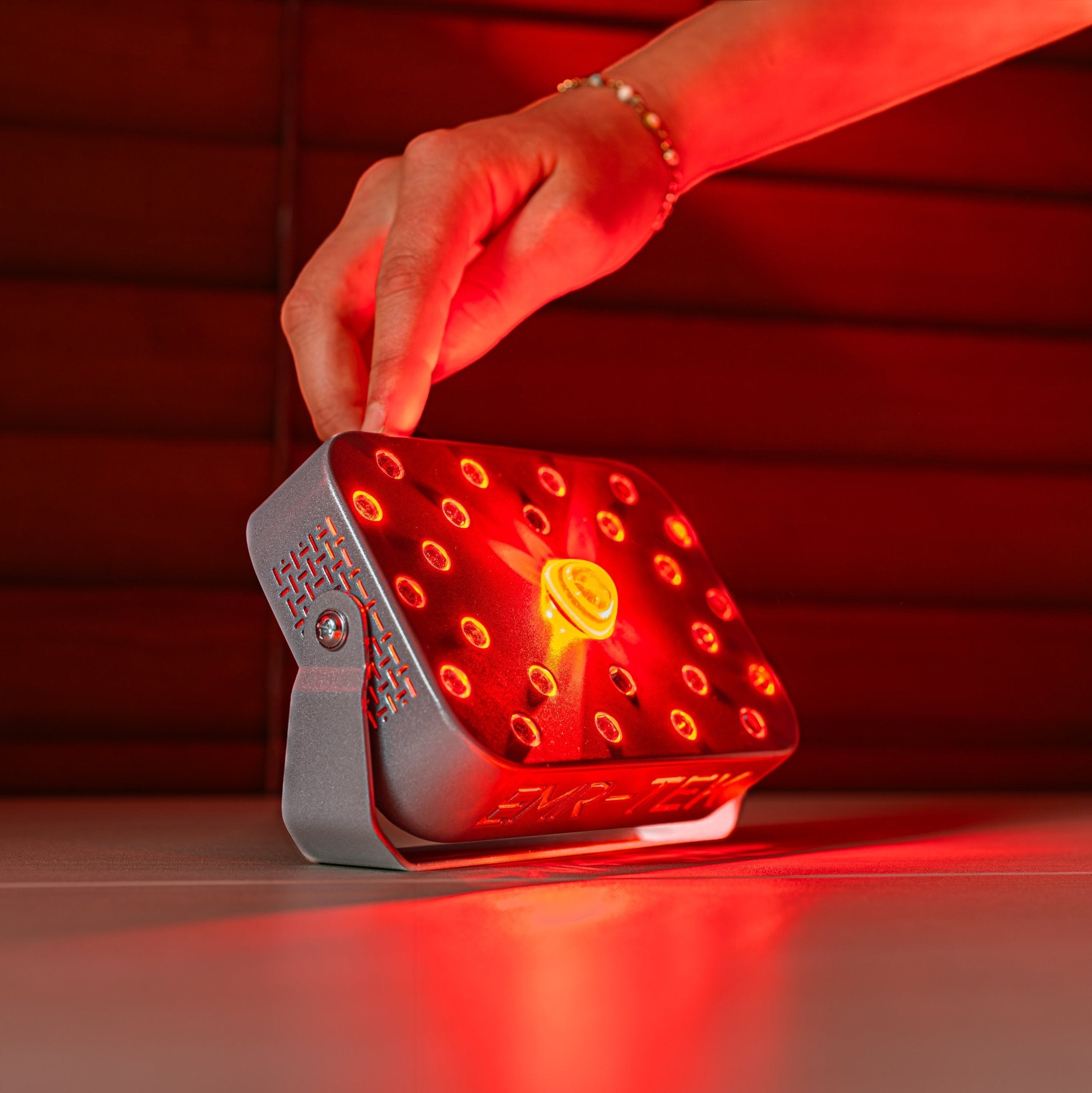
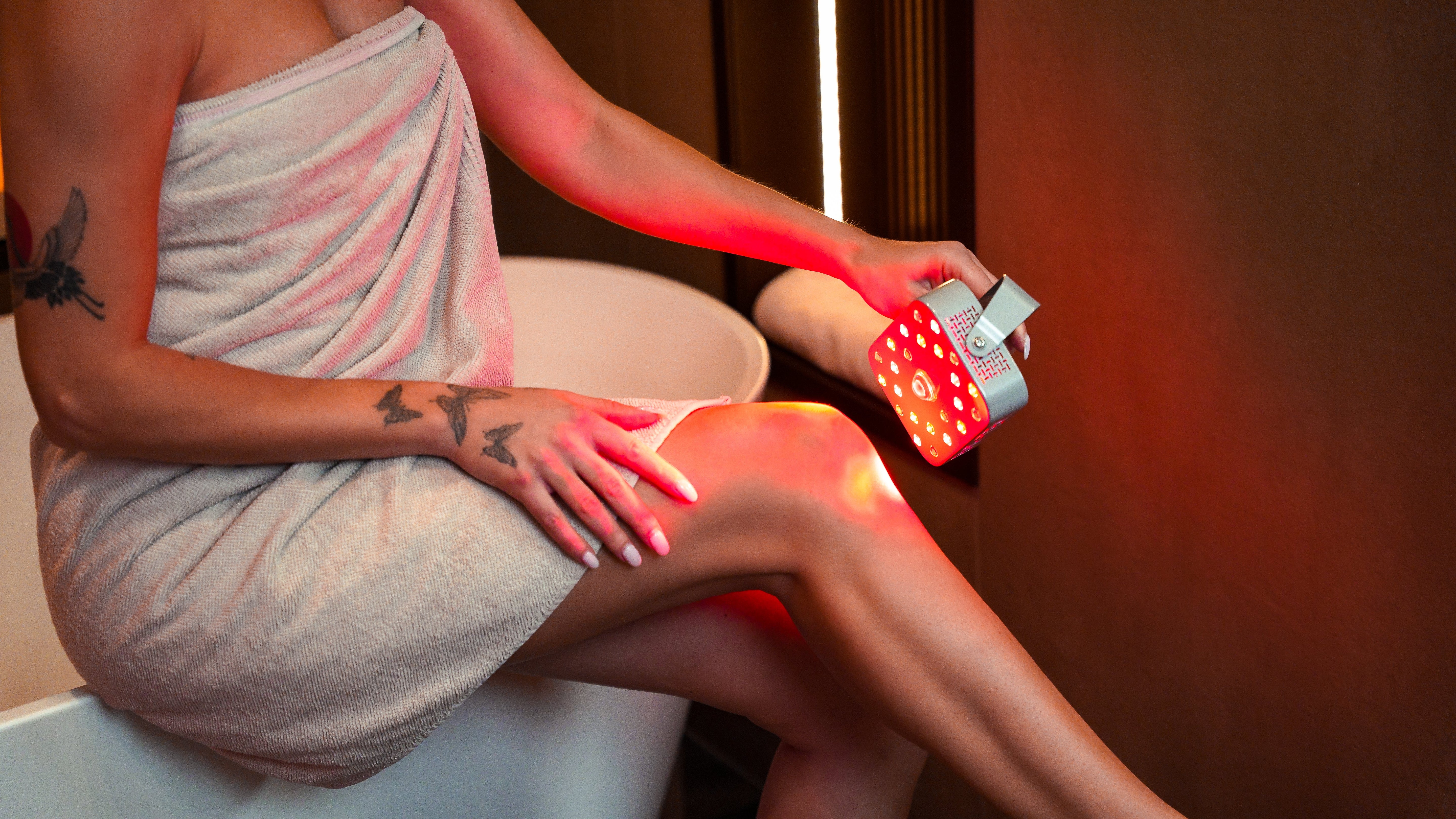
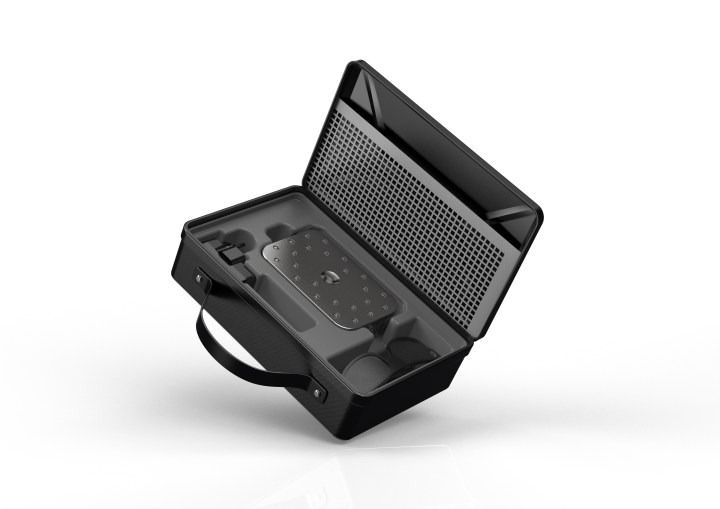
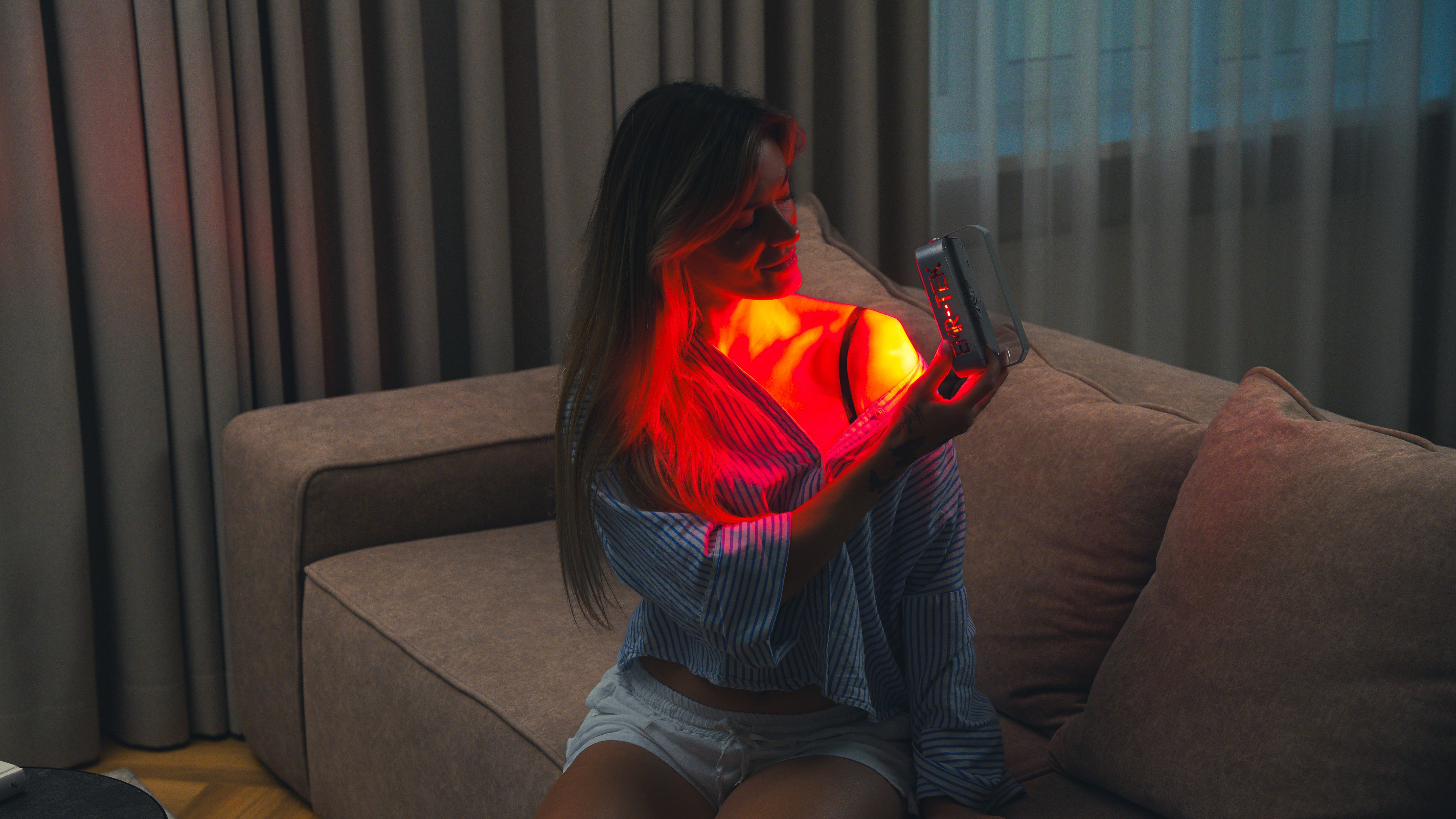
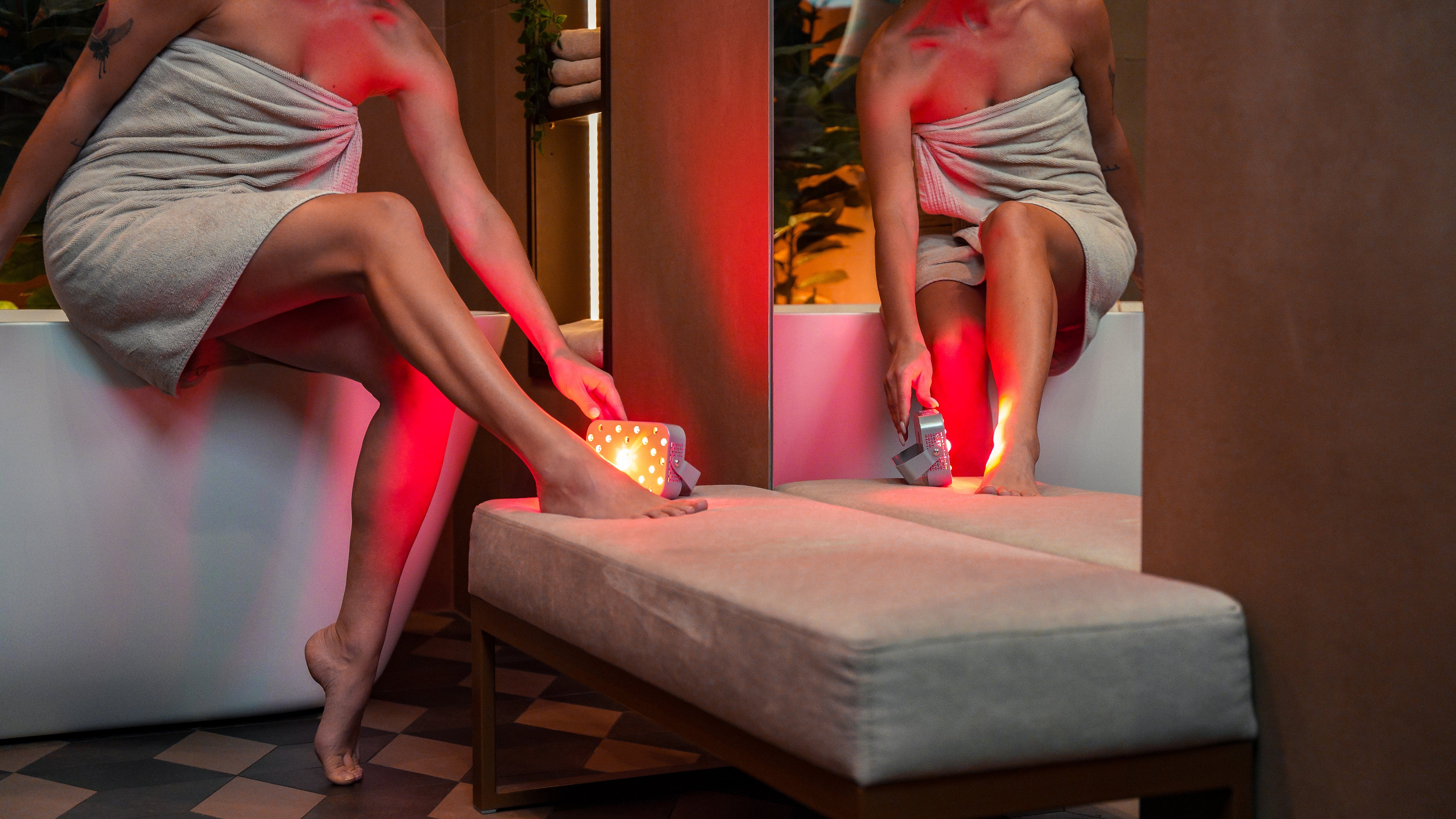
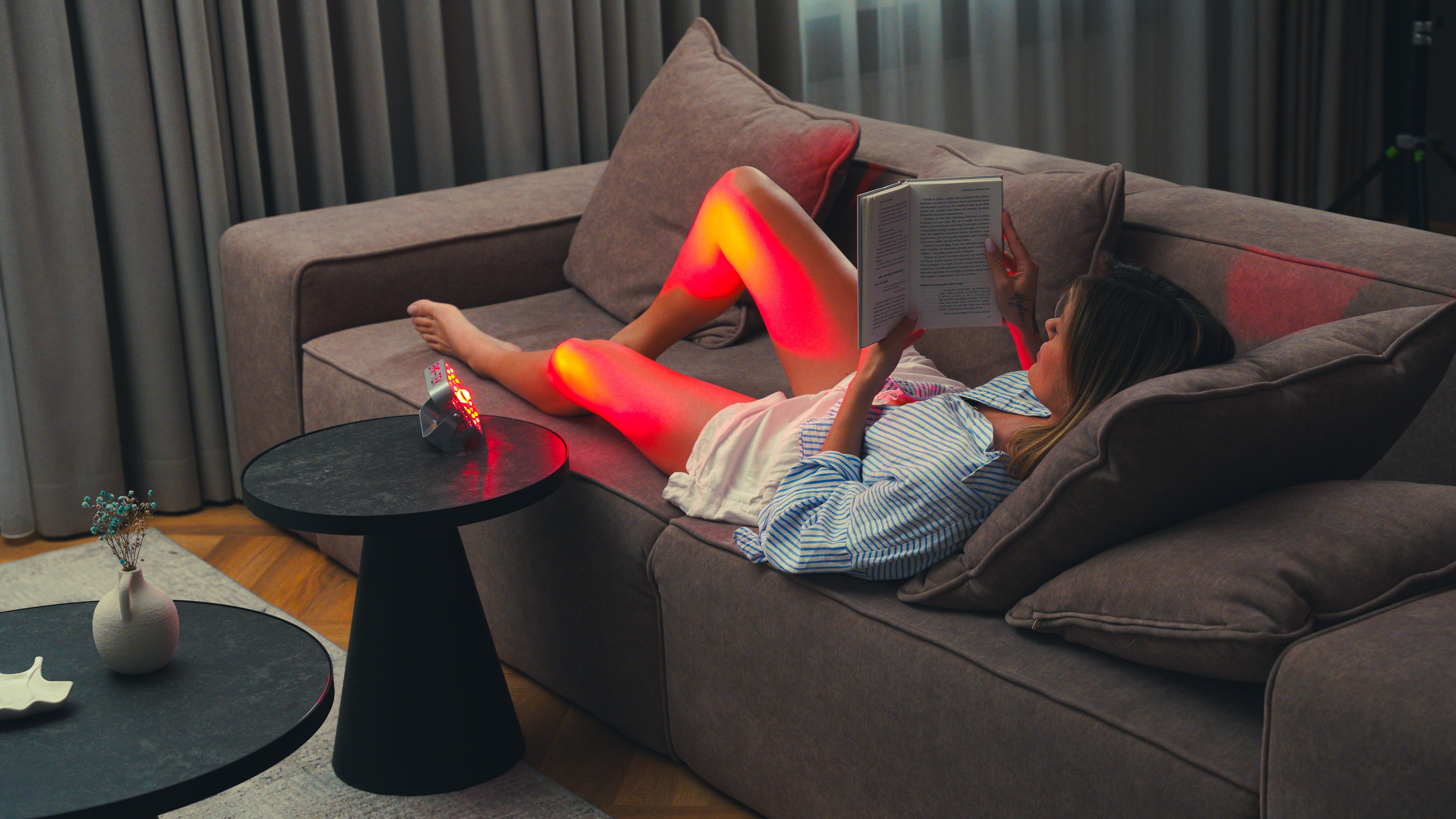
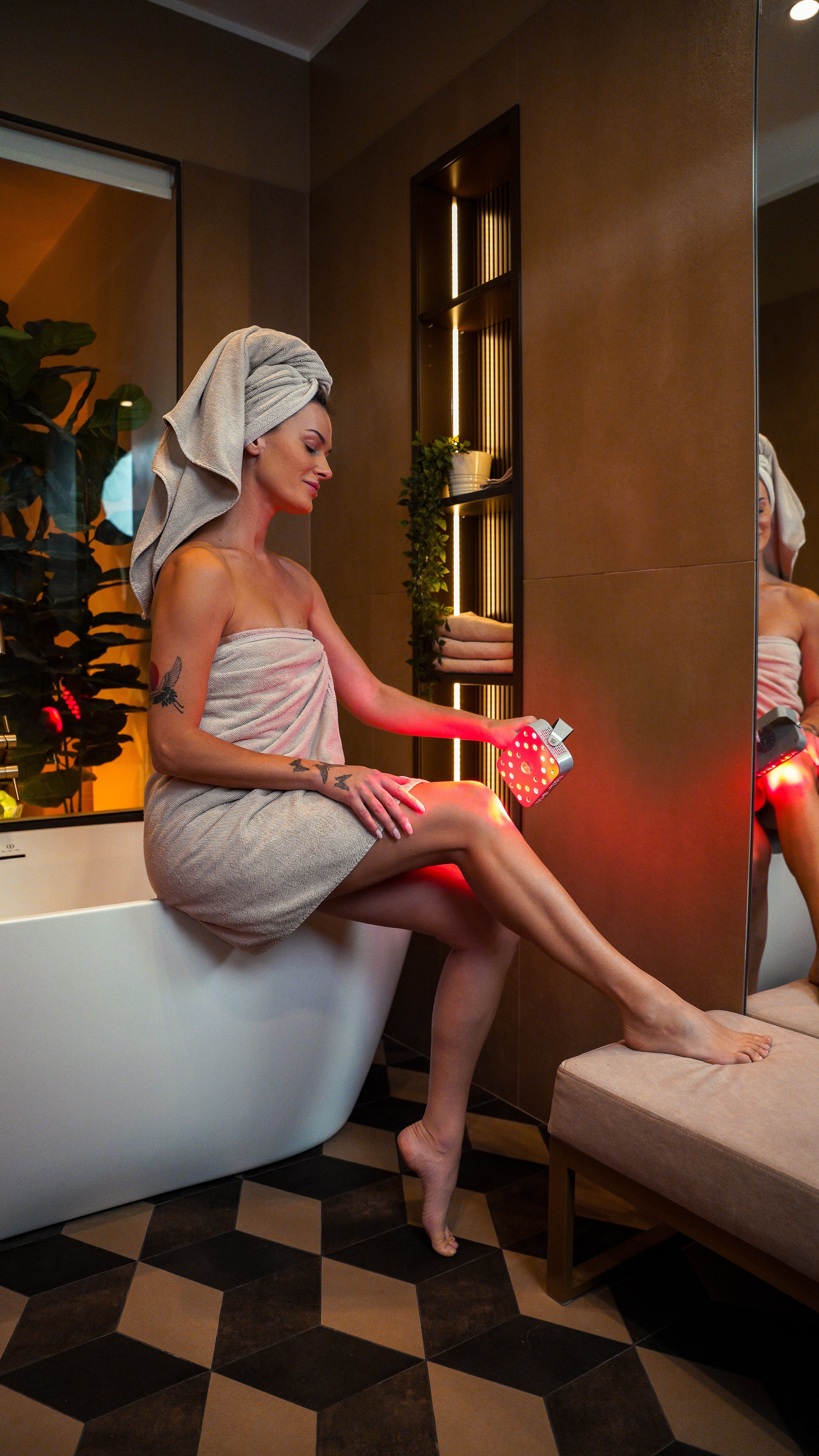
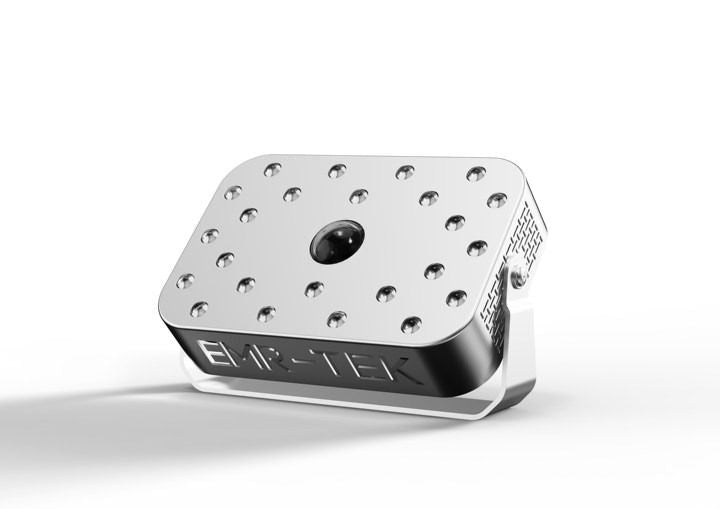
The first handheld COB red light.
The Firefly.
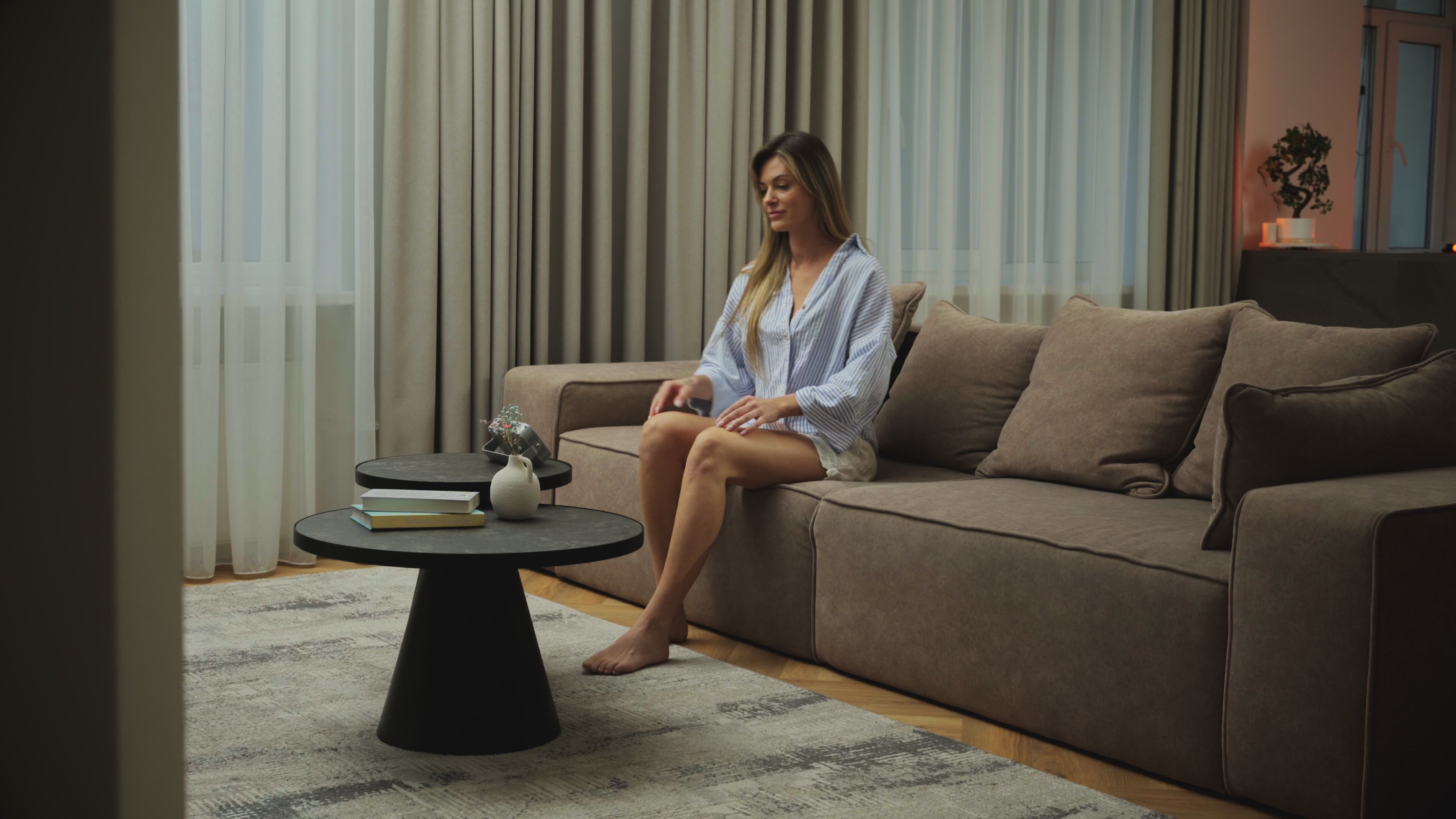
660 nm Red + 850 nm Near-Infrared. Same COB chip technology as our flagship panels — in a rechargeable, take-anywhere format. Battery-powered: no AC, no magnetic field, no flicker.



50% OFF AUTO APPLIES AT CHECKOUT


Use only as directed. Device may become hot—avoid direct skin contact. For indoor use only. Do not use while sleeping. Always wear the included eye protection.
This is a general wellness device and is not intended to diagnose, treat, cure, or prevent any disease. Consult a healthcare provider if you have any medical concerns.
If you have any questions, you are always welcome to contact us. We'll get back to you as soon as possible, within 24 hours on weekdays.
Shipping Information
Use this text to answer questions in as much detail as possible for your customers.
Customer Support
Use this text to answer questions in as much detail as possible for your customers.
FAQ’s
Use this text to answer questions in as much detail as possible for your customers.
Contact Us
Use this text to answer questions in as much detail as possible for your customers.
The Firefly.
660 nm Red + 850 nm Near-Infrared. Same COB chip technology as our flagship panels — in a rechargeable, take-anywhere format. Battery-powered: no AC, no magnetic field, no flicker.
BUILT TO PERFORM
COB chip technology. Meanwell-engineered drivers. Red (660nm) + Near-Infrared (850nm). More irradiance and longer LED life than standard SMD builds — verified output on every device before it ships.
EVERY SPEC PUBLISHED
Wavelengths, irradiance, flicker, and EMF — third-party tested and fully disclosed. Nothing hidden behind "clinical-grade" or "medical-grade." If we printed it on the page, we hit it on the bench.
50,000+ CUSTOMERS · 4.89★
Trusted by chiropractors, naturopaths, biohackers, and functional medicine practitioners across 40+ countries. Backed by our 30-day return and 1-year warranty.